
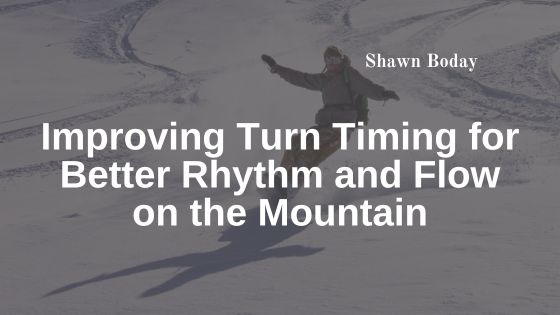
Smooth snowboarding is built on timing. Riders who flow effortlessly down the mountain are not simply reacting to terrain—they are coordinating each movement with precision and rhythm. Turn timing plays a major role in controlling speed, maintaining balance, and creating fluid transitions between edges. Improving this skill helps snowboarders ride more efficiently while developing greater confidence across all types of terrain.
Why Turn Timing Matters
Every snowboard turn follows a sequence: edge release, transition, edge engagement, and pressure control. When these movements happen at the right moment, turns feel smooth and connected. Poor timing, however, can lead to rushed movements, skidding, loss of balance, or unnecessary fatigue.
Good timing allows the snowboard to work naturally with gravity and terrain instead of fighting against them. Riders maintain better momentum, cleaner edge control, and more predictable speed management.
Understanding Rhythm in Snowboarding
Rhythm is created when turns flow consistently from one to the next. Rather than treating each turn as a separate action, skilled riders connect movements into a continuous pattern. This rhythm improves efficiency because the body stays relaxed and balanced instead of constantly resetting after every turn.
Terrain also influences rhythm. Wide groomed runs encourage longer flowing turns, while tighter terrain may require quicker transitions. Adapting timing to match the slope creates a smoother overall ride.
Learning to Release the Edge Smoothly
One of the most common timing mistakes is holding onto an edge too long. Delayed edge release often causes abrupt transitions and makes the next turn feel rushed. Smooth riding begins with learning to release pressure gradually at the end of each turn.
As the board finishes a turn, allow the edge to flatten naturally before engaging the next edge. This creates a fluid transition phase where the snowboard moves smoothly beneath the rider instead of snapping aggressively between edges.
Using the Lower Body for Better Timing
Turn timing improves significantly when movements originate from the knees and ankles rather than the upper body. Subtle lower body adjustments help the board transition more naturally and maintain continuous edge contact with the snow.
The upper body should remain relatively stable while the lower body guides the board through each phase of the turn. Excessive shoulder rotation often disrupts rhythm and creates delayed or uneven transitions.
Matching Timing to Terrain and Speed
As speed increases, turn timing becomes more important. Faster riding requires earlier preparation for the next edge change because reaction time decreases. Riders who anticipate terrain changes and initiate transitions smoothly maintain far better control.
On steeper terrain, completing turns fully before beginning the next transition helps regulate speed and maintain rhythm. In uneven snow or moguls, quicker and more compact timing adjustments are often necessary.
Developing Flow Through Practice
Improving turn timing requires repetition and awareness. Practicing linked turns on moderate terrain allows riders to focus on smooth transitions rather than speed or technical difficulty. Paying attention to the rhythm of edge changes helps develop consistency and confidence.
Some riders benefit from thinking of turns like music or a steady cadence. Maintaining a consistent pace creates a smoother connection between movements and improves overall flow.
Final Thoughts
Turn timing is one of the key elements that transforms snowboarding from mechanical movements into fluid riding. By learning to release edges smoothly, coordinate movements through the lower body, and adapt rhythm to terrain and speed, riders can create better balance, cleaner turns, and more natural flow on the mountain. Developing strong timing not only improves performance but also makes every run feel more enjoyable and controlled.
