
Understanding Board Pressure Points for More Precise Snowboarding Control
Snowboarding is built around the relationship between the rider, the board, and the snow. One of the most important parts of that relationship is pressure. Where and when a rider applies pressure can influence how the snowboard turns, accelerates, slows down, and...

How Snowboard Waist Width Affects Edge to Edge Transitions and Stability
Choosing the right snowboard involves more than selecting the correct length or flex. Waist width is another important specification that can influence how a board feels during turns, how quickly it moves from one edge to another, and how stable it feels across...

Techniques for Maintaining Balance During Rapid Direction Changes
Snowboarding requires constant adjustments to balance, especially when navigating terrain that demands quick changes in direction. Whether avoiding an obstacle, responding to changing snow conditions, or linking fast turns on a steep run, the ability to change...

How Snowboard Dampening Materials Reduce Vibration and Improve Ride Comfort
Snowboarding is a sport where comfort and control can make a major difference in performance. While board shape, flex, camber, and edge design receive considerable attention, the materials used to reduce vibration also play an important role. Snowboard dampening...

Understanding Turn Shape and How It Affects Speed Management on Different Terrain
One of the most effective ways to control speed on a snowboard is not by braking or skidding, but by adjusting the shape of your turns. Turn shape determines the path your snowboard follows down the mountain and has a direct impact on momentum, control, and overall...
How to Maintain Smooth Edge Engagement on Steep Groomed Runs
Steep groomed runs provide an excellent opportunity to develop precision, confidence, and technical snowboarding skills. While the smooth surface allows for clean carving, the increased pitch also demands greater control and more deliberate technique. One of the most...
The Importance of Ankle Mobility for Better Snowboard Performance and Injury Prevention
Snowboarding requires the entire body to work together, but one area that is often overlooked is ankle mobility. While riders frequently focus on strengthening their legs and core, the ankles play a critical role in balance, edge control, and shock absorption. Healthy...
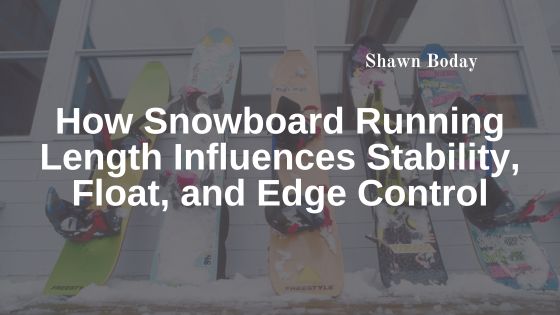
How Snowboard Running Length Influences Stability, Float, and Edge Control
When choosing a snowboard, many riders focus on overall board length, width, and flex. However, another important design characteristic that significantly affects performance is running length. Running length refers to the portion of the snowboard that remains in...
Understanding Pressure Control Throughout Every Phase of a Snowboard Turn
One of the most important skills in snowboarding is learning how to manage pressure throughout every turn. While edge control, balance, and body position often receive the most attention, pressure control is what allows all of these elements to work together. Proper...

Why Torsional Flex Matters for Edge Hold and Turn Accuracy
When riders evaluate a snowboard, they often focus on factors such as length, camber profile, and overall flex. While these characteristics certainly influence performance, torsional flex is another important feature that deserves attention. Torsional flex refers to...