
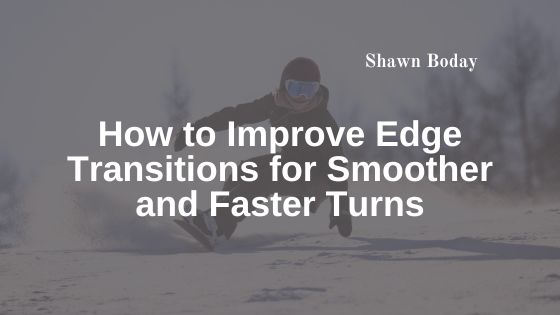
Edge transitions are at the heart of effective snowboarding. Every turn relies on the ability to move cleanly from one edge of the board to the other. When transitions are smooth, riding feels fluid, controlled, and efficient. When they are rushed or uneven, turns become choppy, speed control suffers, and fatigue increases. Improving edge transitions is one of the fastest ways to elevate overall performance on the mountain.
Understanding Edge Transitions
An edge transition occurs when the snowboard shifts from the heel edge to the toe edge or vice versa. This moment between turns is where balance, timing, and body positioning all come together. Clean transitions allow the board to engage the next edge naturally, setting up the next turn with minimal effort.
Many riders struggle with transitions because they rely too much on upper body movement or rush the process. Developing a more controlled and deliberate approach leads to smoother, faster riding.
Focus on Body Alignment
Proper alignment is essential for effective edge transitions. The body should remain centered over the board, with the shoulders aligned in the direction of travel. Excessive rotation of the upper body can disrupt balance and delay edge engagement.
Instead of throwing the shoulders into the next turn, allow the lower body to lead. Subtle movements through the knees and ankles create a more stable and efficient transition. Keeping the upper body quiet helps maintain control and improves consistency.
Use the Knees and Ankles for Control
The most effective edge transitions come from the lower body. Flexing and extending through the knees and ankles allows the board to roll smoothly from one edge to the other. This movement should feel controlled rather than abrupt.
At the end of a turn, begin to release pressure gradually. As the board flattens momentarily, guide it onto the new edge with gentle pressure. Avoid snapping the board from edge to edge, as this can create instability and reduce grip.
Master Timing and Rhythm
Timing is a critical component of smooth transitions. Rushing into the next turn can lead to skidding or loss of control, while delaying too long can reduce flow and momentum. The goal is to find a consistent rhythm where each transition flows naturally into the next.
Practicing on moderate terrain can help develop this rhythm. Focus on linking turns smoothly, paying attention to how the board moves beneath you. As timing improves, transitions will feel more effortless and controlled.
Maintain Consistent Pressure
Pressure control plays a major role in edge transitions. Applying too much pressure too quickly can cause the board to catch, while too little pressure can reduce edge hold. Gradual and consistent pressure allows for smoother engagement and better grip.
Distributing weight evenly between both feet during the transition phase helps maintain balance. As the new edge engages, pressure can shift slightly to guide the turn.
Build Confidence Through Practice
Improving edge transitions takes repetition and awareness. Start with simple drills such as linking wide, controlled turns and focusing on the transition phase rather than the turn itself. Over time, these movements become more natural and require less conscious effort.
Final Thoughts
Smooth edge transitions are the foundation of fluid and efficient snowboarding. By focusing on body alignment, using the lower body effectively, mastering timing, and maintaining consistent pressure, riders can achieve faster, more controlled turns. As these skills develop, the entire riding experience becomes more dynamic, confident, and enjoyable across all types of terrain.
