
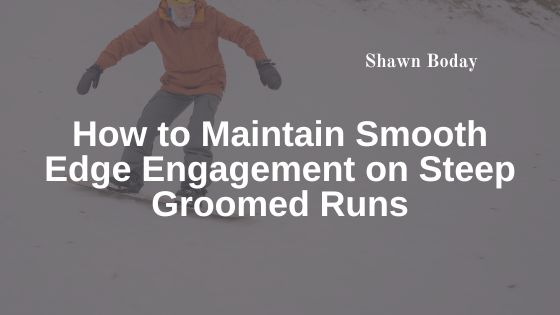
Steep groomed runs provide an excellent opportunity to develop precision, confidence, and technical snowboarding skills. While the smooth surface allows for clean carving, the increased pitch also demands greater control and more deliberate technique. One of the most important skills on these slopes is maintaining smooth edge engagement. Consistent edge control helps riders regulate speed, complete cleaner turns, and remain stable throughout the descent. Learning how to engage the edges smoothly can transform steep runs from intimidating challenges into enjoyable experiences.
Why Edge Engagement Matters
Edge engagement refers to the process of placing the snowboard’s edge into the snow to begin and maintain a turn. On steeper terrain, gravity increases the forces acting on both the rider and the board. Abrupt or inconsistent edge movements can lead to skidding, loss of balance, or unexpected acceleration.
Smooth edge engagement allows the snowboard to carve naturally through the snow while maintaining continuous control. Rather than relying on sudden braking movements, riders use progressive edge pressure to guide the board through each turn.
Start with a Balanced Stance
A stable body position forms the foundation for effective edge control. Keep your knees bent, ankles flexible, and your weight centered over the snowboard. This athletic stance allows the board to respond naturally while giving you the ability to make small adjustments throughout the turn.
Leaning too far uphill can reduce edge grip, while leaning too far downhill may cause the board to engage too aggressively. Maintaining a centered position creates consistent pressure along the edge and improves stability.
Engage the Edge Gradually
One of the most common mistakes on steep groomed runs is forcing the edge into the snow too quickly. Abrupt movements often cause the board to chatter or skid instead of carving smoothly.
Instead, allow the edge to engage progressively as the board transitions into the turn. Begin with gentle pressure through the ankles and knees, then gradually increase edge angle as the snowboard moves through the middle of the turn.
This smooth progression creates stronger grip and more predictable control while reducing unnecessary effort.
Keep the Upper Body Quiet
The lower body should perform most of the work during edge transitions. Excessive shoulder rotation or large arm movements can disrupt balance and interfere with clean carving.
Keep your shoulders aligned with the direction of travel and your arms relaxed. A stable upper body allows the legs to manage pressure changes more effectively while maintaining smooth edge engagement throughout the turn.
Looking ahead rather than directly at the snowboard also helps promote better body alignment and smoother movements.
Complete Every Turn
Finishing each turn fully is especially important on steep terrain. Riders who rush into the next turn often lose rhythm and allow speed to build unnecessarily.
Allow the snowboard to complete its natural arc before releasing pressure and transitioning onto the opposite edge. Completing turns across the slope helps regulate speed while creating a smoother flow between linked turns.
Patience during each phase of the turn leads to greater consistency and confidence.
Adjust to Snow Conditions
Steep groomed runs can vary from soft corduroy in the morning to firm hardpack later in the day. On firmer snow, maintaining consistent edge pressure becomes even more important. Sharp edges, smooth movements, and gradual pressure application help maximize grip without creating unnecessary tension.
Final Thoughts
Maintaining smooth edge engagement on steep groomed runs requires balance, patience, and precise technique. By staying centered, engaging the edges gradually, keeping the upper body stable, and completing each turn fully, snowboarders can improve control while managing speed with confidence. Developing these habits leads to cleaner carving, greater efficiency, and a more enjoyable experience on even the steepest groomed terrain.
